Destination · 8 min read
Planning a Destination Wedding from New York or New Jersey
By the Vellum & Vow planning team · Updated
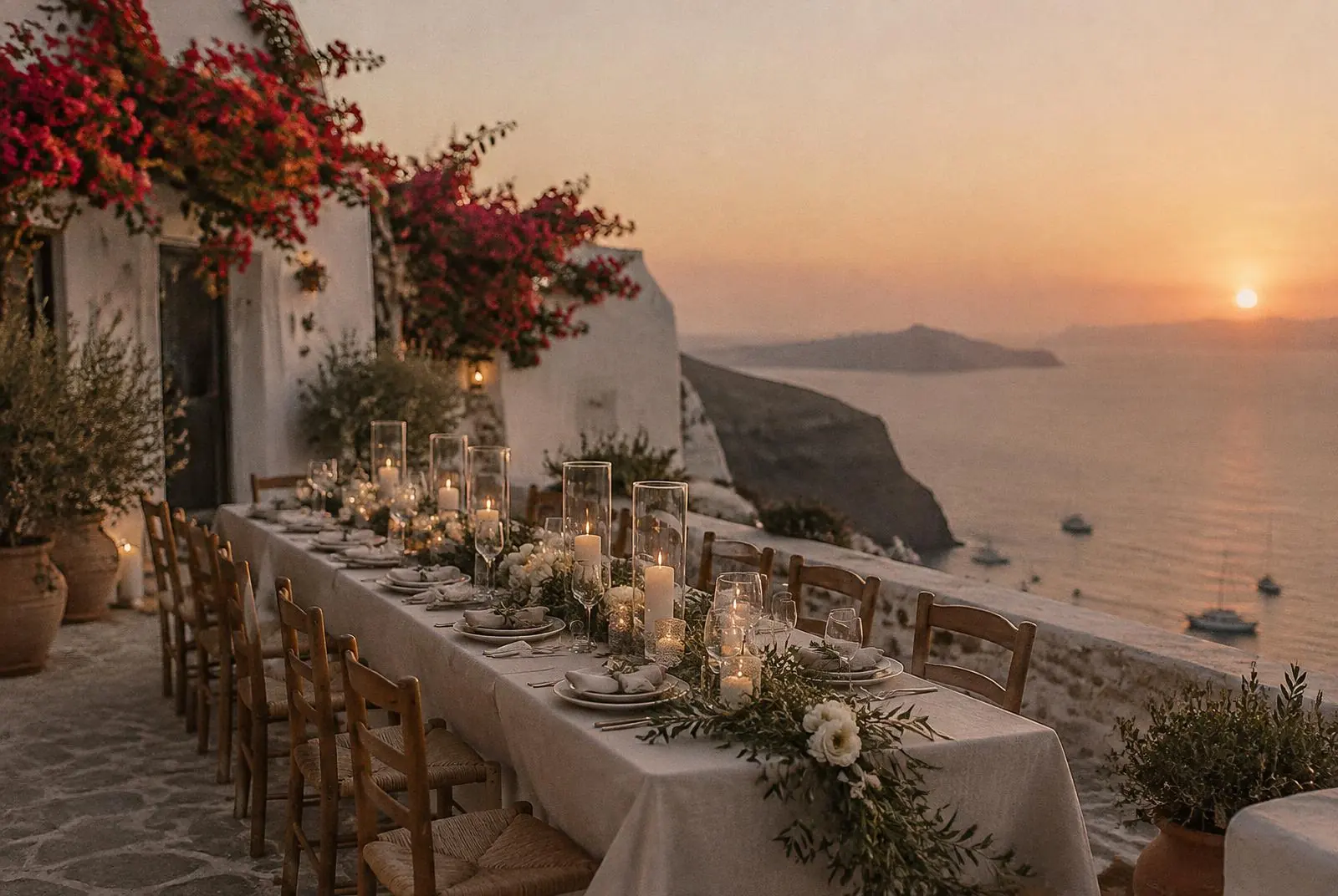
Start destination wedding planning with the trip your guests will actually take, then choose the setting. A beautiful ceremony location is only one part of hosting people away from home. Flight routes, hotel costs, accessible transportation and the time guests need off work will shape what feels possible.
For couples based in New York or New Jersey, the search often begins with several airports and an optimistic map. Narrow it with real travel dates and an honest budget instead. Vellum & Vow Wedding Planners offers destination wedding planning alongside celebrations in New Jersey and New York, helping couples connect the away celebration with the practical decisions they make at home. You can offer a generous welcome without filling every hour or expecting everyone to attend.
Where should destination wedding planning begin?
Begin by comparing a few destinations against guest access, total spending and the season you prefer. Choose somewhere that supports the gathering you want, rather than asking your guests to solve a difficult itinerary around a photograph.
Price sample trips from JFK and Newark using the dates guests would realistically travel. LaGuardia may work for domestic trips and connections, but check actual routes rather than treating all three airports as interchangeable international gateways. Confirm nonstop availability, arrival times, transfer length and whether service changes seasonally. A low airfare with an overnight connection may not be the less expensive trip.
Look beyond the New York area if important guests live elsewhere. Consider passport needs, entry requirements and any transit-country requirements through current official sources. People with limited leave, children or mobility needs may weigh a long transfer more heavily than the room view. Our destination wedding planning service provides a place to discuss the location, guest count and scope of support before you commit.
How do you keep the trip realistic for guests?
Estimate the complete guest trip before selecting the destination, and make attendance a genuine invitation rather than an obligation. Include airfare, lodging, ground transfers, meals outside hosted events and time away from work.
Quietly ask a few essential guests about a broad budget range and travel limitations without requesting promises. A destination that works for your closest friends may still be difficult for older relatives. Decide together which absences you could accept before making nonrefundable commitments. No amount of careful destination wedding planning can make every trip affordable for every household.
Separate the couple's event budget from the guests' travel costs. Decide which events, transfers and meals you're hosting, then say so plainly. If some activities are optional and paid by guests, label them before anyone reserves. Avoid announcing a low nightly rate without explaining required stays, mandatory meal plans, taxes or resort charges.
- Compare the full stay, not only the advertised nightly room rate.
- Offer more than one lodging price point when local transport makes that workable.
- Check child policies, accessible rooms and any minimum-age restrictions.
- Keep optional outings separate from the core wedding invitation.
Should you have a legal or symbolic ceremony abroad?
Choose a legal ceremony abroad only after confirming the current local requirements; choose a symbolic ceremony if you prefer to complete the legal marriage separately. Neither approach determines how meaningful the celebration will feel.
Legal requirements vary by destination and personal circumstances. Ask the relevant civil authority about documents, translations, appointment timing, witnesses and any residency rules. Confirm how records are issued and what steps may be needed for using them at home. Your officiant and planner can help organize questions, but official authorities and qualified legal advisers provide legal guidance.
A symbolic ceremony lets you exchange vows at the destination after handling the legal marriage through the appropriate process elsewhere. Tell your planner and officiant which ceremony you're arranging so paperwork and wording match. If you want a friend to lead the celebration, confirm what they can legally do rather than assuming an online registration works everywhere.
What belongs on the paperwork calendar?
Document deadlines belong beside venue and travel deadlines from the beginning. Check passport validity and entry rules for your circumstances, then work backward from official processing guidance. Keep secure copies and avoid sharing identity documents through a group guest email. Our wedding planning timeline can help you organize the broader sequence around these destination-specific tasks.
When should you send save-the-dates and arrange rooms?
Send destination save-the-dates once the date and location are secured, often around 9 to 12 months ahead when possible. Give guests useful travel information early enough to request leave and compare costs.
Don't announce an unconfirmed date because a flight sale looks tempting. First settle the venue agreement, room strategy and essential event schedule. If you have less lead time, be direct about the shorter notice and accept that some guests won't be able to travel. Early communication helps; pressure doesn't.
Compare courtesy blocks with contracted blocks that carry financial obligations. Read minimum pickup, attrition, cancellation and release-date clauses carefully. Ask who pays if guests reserve outside the block, how extensions are priced and whether wedding-event access depends on staying at a particular property. Confirm the process for requesting accessible rooms directly with the hotel.
Your guest information should include airport choices, transfer options, hosted events, room-booking deadlines and a clear RSVP process. Keep destination wedding planning updates in one central place with dated changes. State that guests should verify their own travel documents and entry eligibility. Avoid collecting passport information unless a legitimate provider needs it through an appropriate secure process.
Should you hire local vendors or bring your own?
Build the team around local knowledge and the work each supplier must perform, bringing professionals from home only when the creative or practical benefit justifies the added complexity. A mixed team can work well with clearly assigned responsibilities.
Local caterers, florists, rental companies and transportation providers may understand regional supply, road access and operating practices. Ask for relevant work examples, written scopes and references you can assess. Don't assume the venue's required supplier includes planning beyond that supplier's own service. Clarify who communicates with each professional and who updates the master schedule.
If you bring a photographer, videographer, beauty team or entertainment from home, confirm lawful working arrangements with the relevant authorities and advisers. Budget flights, accommodation, baggage, meals and travel days where applicable. Equipment import rules, insurance and venue access also need review. Flying a vendor in doesn't bypass local requirements.
Put deliverables, payment currency, exchange-rate exposure, taxes, cancellation terms and substitutions in writing. Account for time zones when setting approval deadlines. One shared run-of-show should name the lead contact, arrival windows, ceremony cues and who can authorize changes. Ask about language support for meetings and for the wedding day rather than relying on a bilingual guest to manage the event.
A useful planner's observation: guests remember feeling expected. A clear transfer instruction can offer more comfort than another item in a welcome bag.
What should a destination site visit confirm?
A site visit should verify the spaces, travel routes and working conditions that photographs cannot explain. Schedule it around meaningful appointments, and compare the visit's season with the season of your wedding.
Walk from guest rooms to the ceremony at the likely event time. Notice shade, stairs, uneven ground and how far someone in formal shoes must travel. Inspect the rain location with your full floor plan in mind, including entertainment, catering and accessible routes. Ask who decides to move indoors and when that decision becomes final.
Research the destination's weather patterns rather than importing Northeast assumptions about summer. Heat, rainfall, tropical storms, wind, altitude and daylight can affect the schedule in different places. Ask local professionals about the proposed month and review contingency arrangements in the agreements. Travel insurance and event insurance have different purposes; review exclusions with a qualified provider rather than assuming weather disruption is covered.
What if you cannot visit before booking?
Request a live walkthrough, measured floor plans and current photographs of the actual backup spaces. Ask the host to show the loading route, restrooms and nearby construction, not only the ceremony view. Destination wedding planning from a distance needs documented answers. A second video meeting with a local production professional may reveal questions that a sales tour misses.
How much of the wedding weekend should you host?
Host the events that help people settle in and connect, while protecting time for rest and independent plans. A welcome party and farewell brunch can create a generous rhythm without making attendance at everything compulsory.
Place the welcome party after the main arrival window if flights allow, and keep the format forgiving. Guests who have crossed time zones may appreciate food and an early finish more than a formal program. Clarify who is invited to the rehearsal dinner, which is not automatically the same event as an all-guest welcome gathering.
Plan farewell brunch around likely departures and the hotel's checkout time. A flexible breakfast window may serve guests better than a fixed seated meal they cannot finish. Confirm storage for luggage, transport pickup locations and what happens if someone leaves before breakfast opens. Put hosted food and optional purchases in plain language on the schedule.
Our wedding weekend event planning covers event types such as welcome parties, rehearsal dinners and farewell brunches. Discuss the scope before adding activities so staffing, transport and vendor commitments match. Use the wedding planning checklist to track invitations, RSVPs and separate counts for each gathering.
Destination wedding planning with a New Jersey or New York celebration
A celebration at home can include people who cannot travel, provided you budget and plan it as its own event. Decide early if you want an intimate dinner, a cocktail reception or a larger party after you return.
A restaurant-style gathering in Bergen County may need a different schedule from a New York City reception with dancing. Make invitations clear about what has already happened and what guests are attending. You can share photographs or repeat personal vows without suggesting the legal ceremony is taking place again. Avoid treating the home event as a consolation invitation.
Leave enough breathing room after travel to recover, receive photographs if you want them displayed and finish any remaining decisions. Keep the home event's budget separate from the destination reserve. For help connecting both celebrations, inquire about destination wedding planning with your likely location, date, guest count and style. Vellum & Vow matches you with a planner who fits those plans and leads your planning.